Where to Stay
Tanzania Safari Tours & Africa Adventures
Ngorongoro Conservation Area is a precise safari-planning area in Ngorongoro Conservation Area, noted for referred to as the 8th wonder of the world and useful for better route decisions.
Ngorongoro Conservation Area is a detailed safari region of Ngorongoro Conservation Area. It helps planners decide where to spend game-drive time, where to sleep, and how to connect the wider northern Tanzania route without wasting hours in the wrong place.
Park guide pages like this are useful for travellers who already know they want Tanzania, but need a clearer sense of why one valley, river line, plain, swamp, woodland, or kopje system may suit their dates better than another. The area is listed at about 100 square miles, which makes route timing and camp position especially important.
The landscape around Ngorongoro Conservation Area is best understood as mixed safari habitats with seasonal shifts in water, grass and visibility. This affects visibility, animal movement, road choice, and how long a guide may want to work an area before moving on.
It is especially useful for referred to as the 8th wonder of the world, world’s largest intact volcanic caldera, densest concentration of large animals and rhinos, bull elephants and black-maned lions. Wildlife commonly associated with this area includes Rhino, Lion, Hyena, Elephant, Warthog, Cheetah, Jackal, Eland, Serval Cat and Hippo. For guests, the practical point is simple: the exact area inside Ngorongoro Conservation Area can shape the quality of a safari day as much as the park name itself.
The strongest months to consider are Jan, Feb, Mar, Apr, May, Jun, Jul, Aug, Sep, Oct, Nov, Dec, although wildlife movement always depends on rainfall and current ground conditions. The month table favours Jan, Feb, Mar, Apr, May, Jun, Jul, Aug, Sep, Oct, Nov, Dec. Wildlife notes include Black Rhino, Elephant, Buffalo, Lion and Cheetah.
Use the season cards below as a planning guide, then confirm the final plan with an I Artist Adventure safari consultant before booking accommodation or internal flights.
Ngorongoro Conservation Area works best when it is not forced into a rushed itinerary. A good route gives the guide enough time to read tracks, light, water, grass height, and recent sightings instead of simply passing through. Nearby areas to consider in the same routing conversation include Serengeti National Park, Lake Manyara National Park, Tarangire National Park and Arusha.
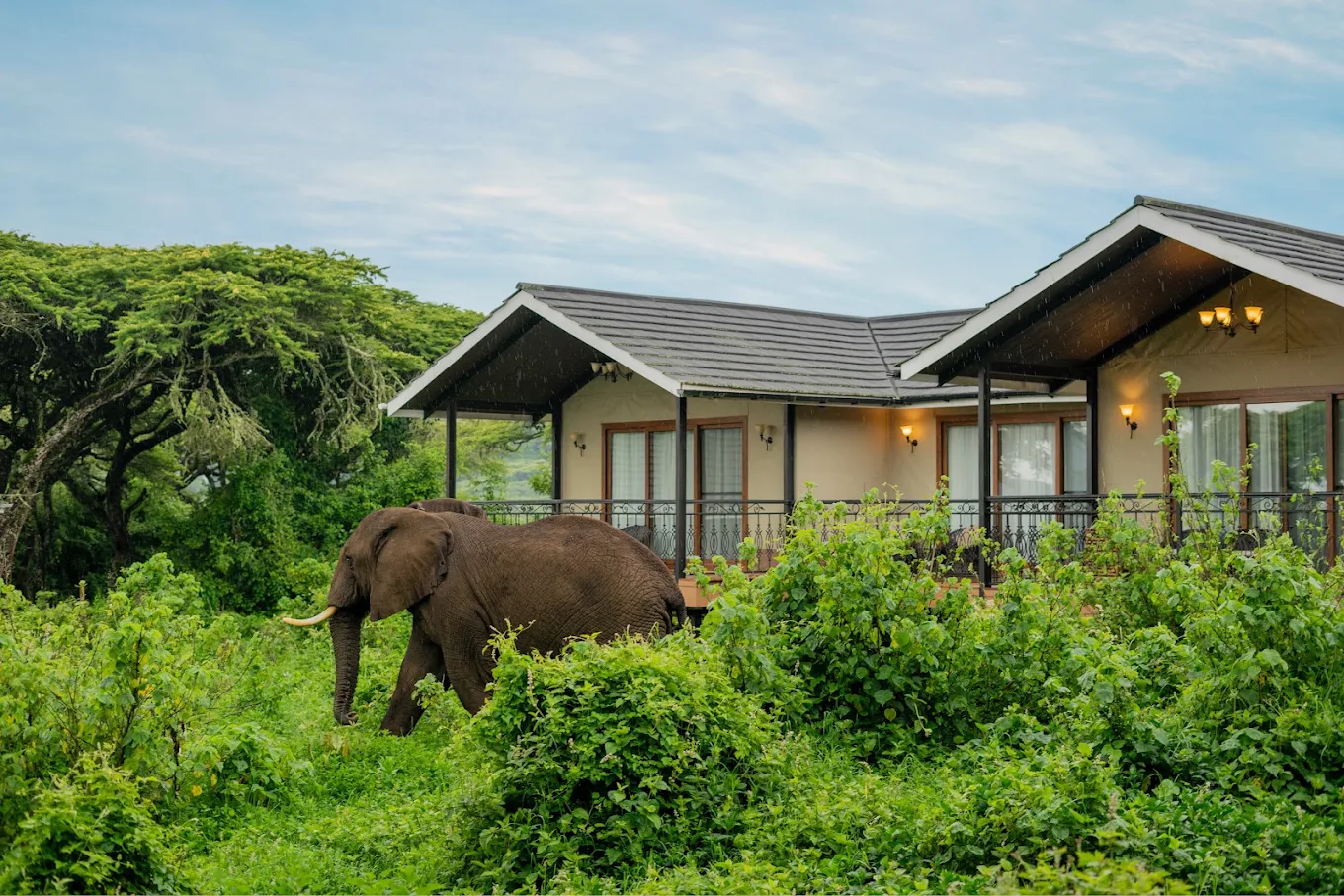
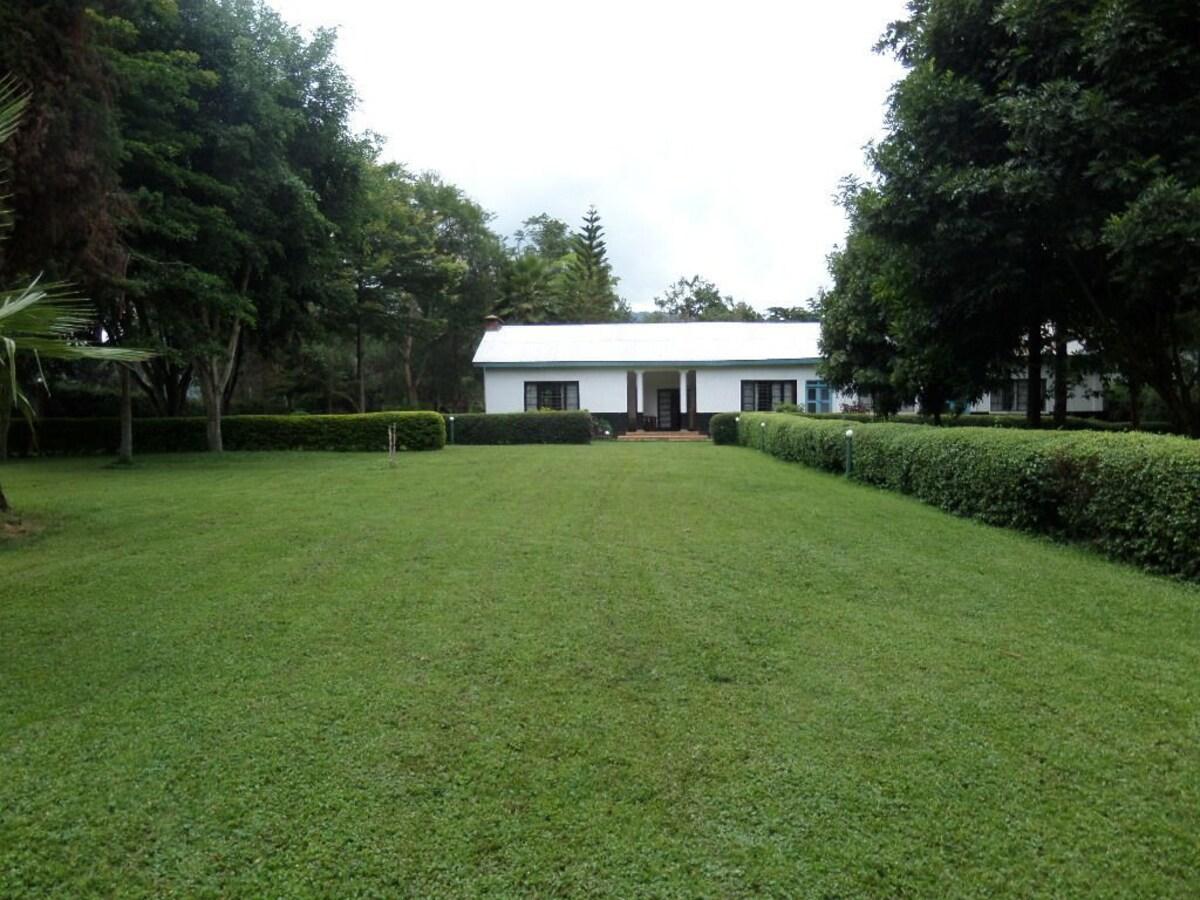
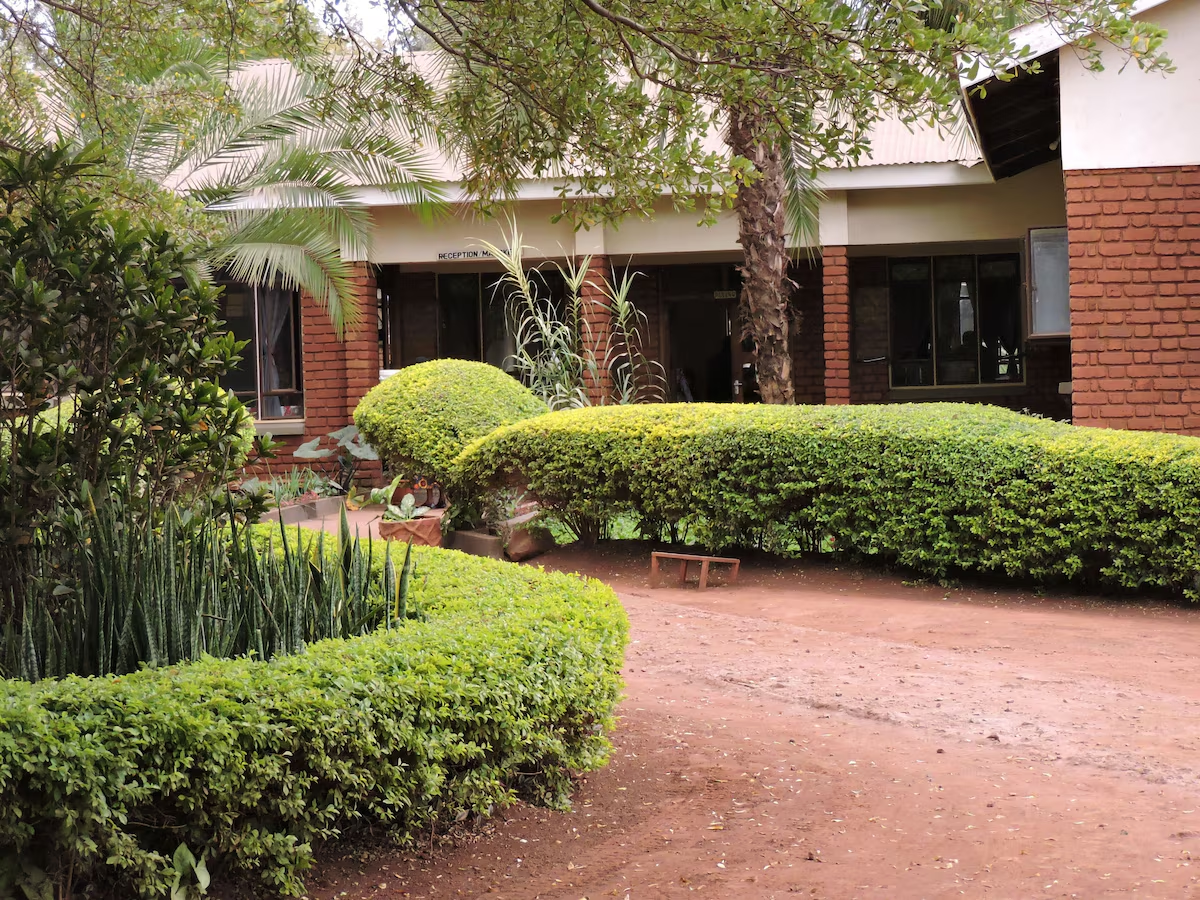
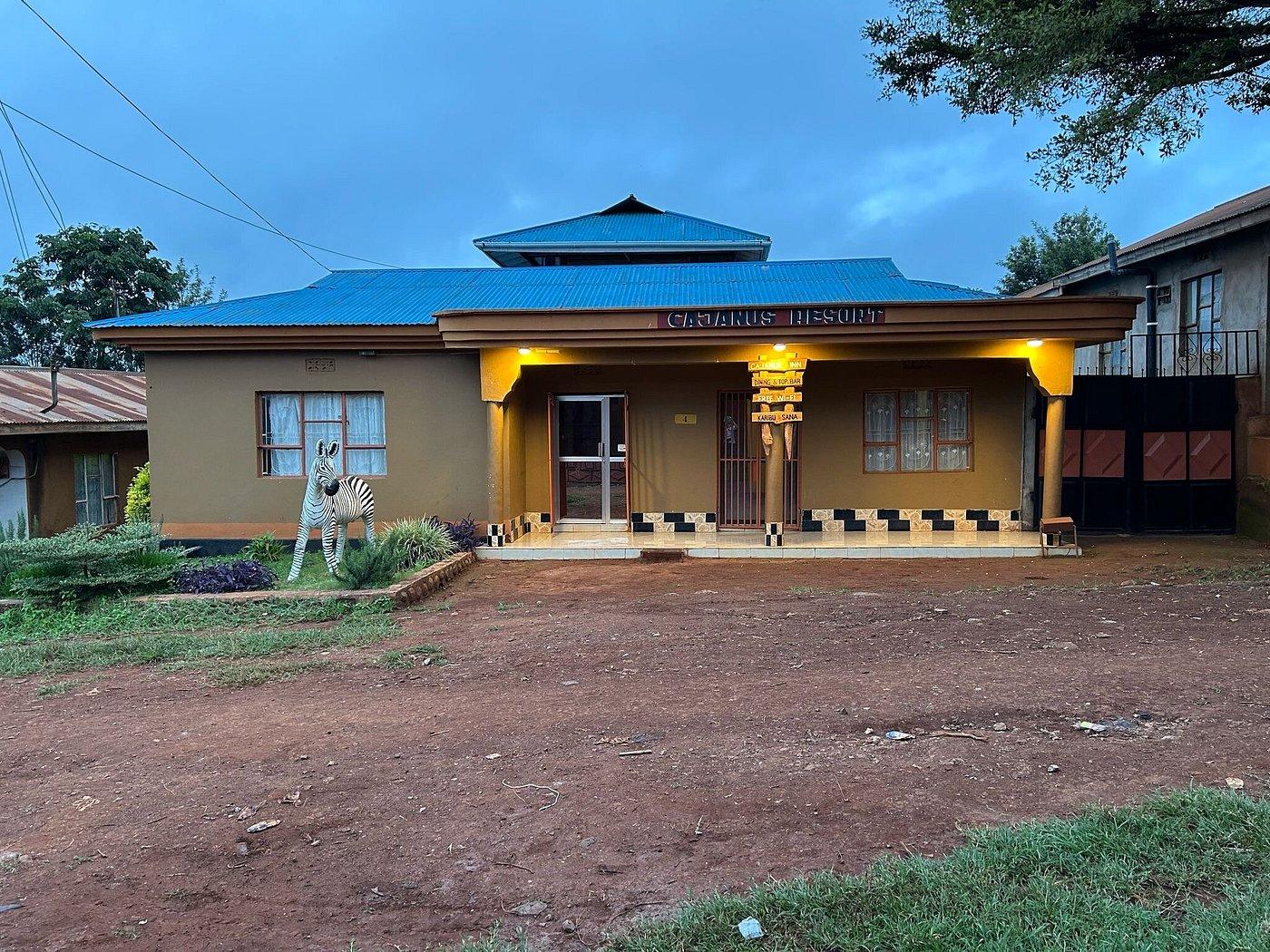
Lodges and camps often discussed around this area include Crater’s Edge Lodge, Ngorongoro Melia Lodge and Lion’s Paw Camp; the final choice should depend on dates, budget, guiding style, and the rest of the route.
Ngorongoro Conservation Area pairs naturally with Serengeti National Park, Lake Manyara National Park, Tarangire National Park and Arusha. These links help visitors understand the route as a connected safari landscape rather than isolated stops.
Nearby lodge references include Crater’s Edge Lodge, Ngorongoro Melia Lodge and Lion’s Paw Camp. I Artist Adventure should confirm the final accommodation choice by availability, comfort level, driving distance, and the rest of the safari route.
For Ngorongoro Conservation Area, ask three questions before confirming the itinerary: what is usually happening here in your travel month, how far is the nearest suitable camp, and whether the area improves the route or adds avoidable driving time.
Ngorongoro Conservation Area is most useful in this window during green season, northward migration and beginning of dry season, with wildlife notes including black rhino, elephant, buffalo, lion and cheetah. Weather is commonly described as mostly sunny with few showers and mostly sunny.
Best fitNgorongoro Conservation Area is most interesting in these months for wildlife notes including black rhino, elephant, buffalo, lion and cheetah. Treat this as a planning guide, then confirm against recent sightings.
Sightings focusNgorongoro Conservation Area can still be useful in this window, but route quality depends on conditions: season notes include green season, northward migration, beginning of dry season and southward migration; weather is commonly described as mostly sunny with few showers and mostly sunny.
Plan carefullyNgorongoro Conservation Area can be considered year-round, but the final decision should still depend on routing, lodge position, rainfall and current field reports.
Confirm route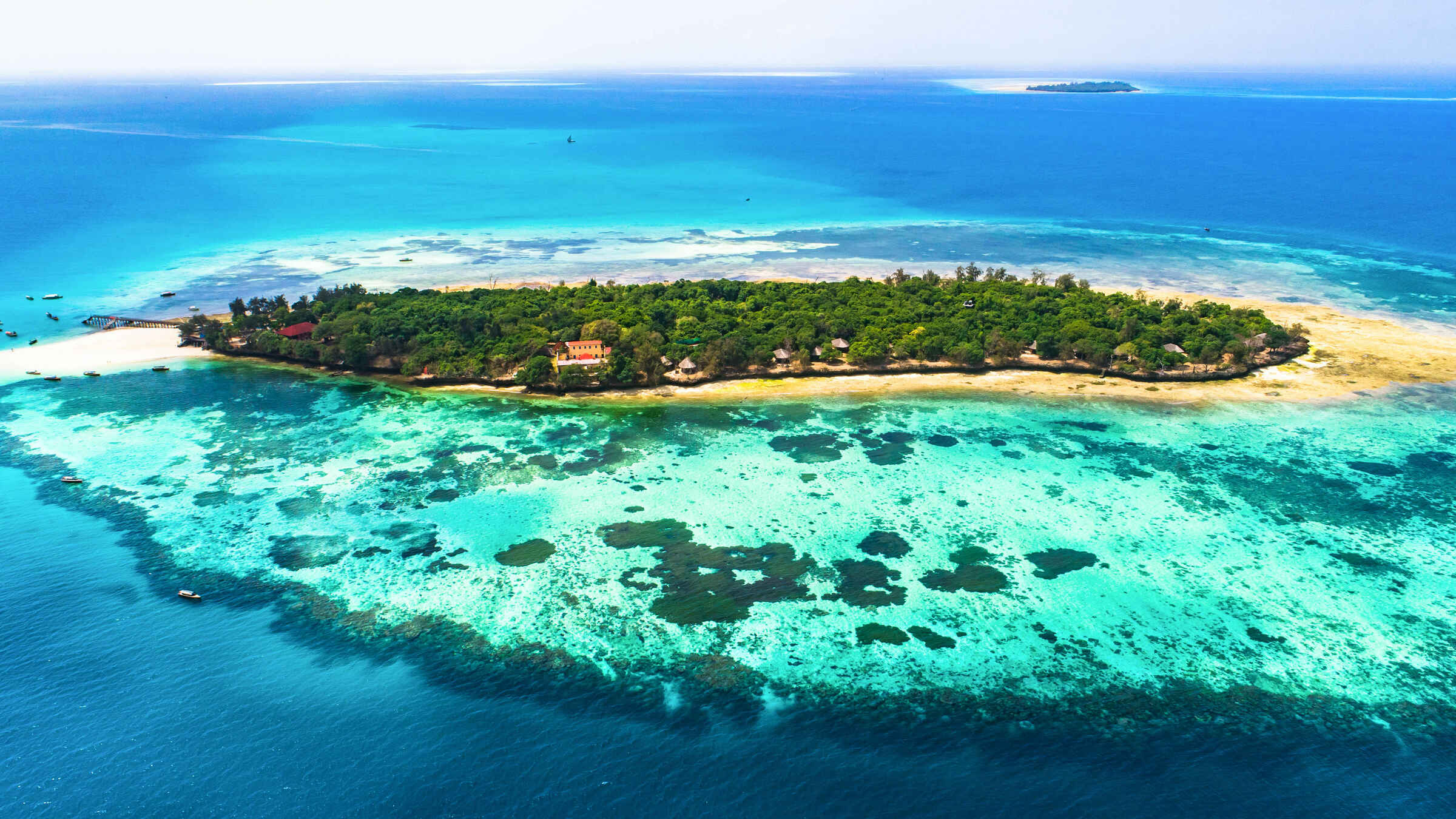
A five-day loop through the classic northern circuit plus the dramatic, little-visited Lake Natron. You fly…
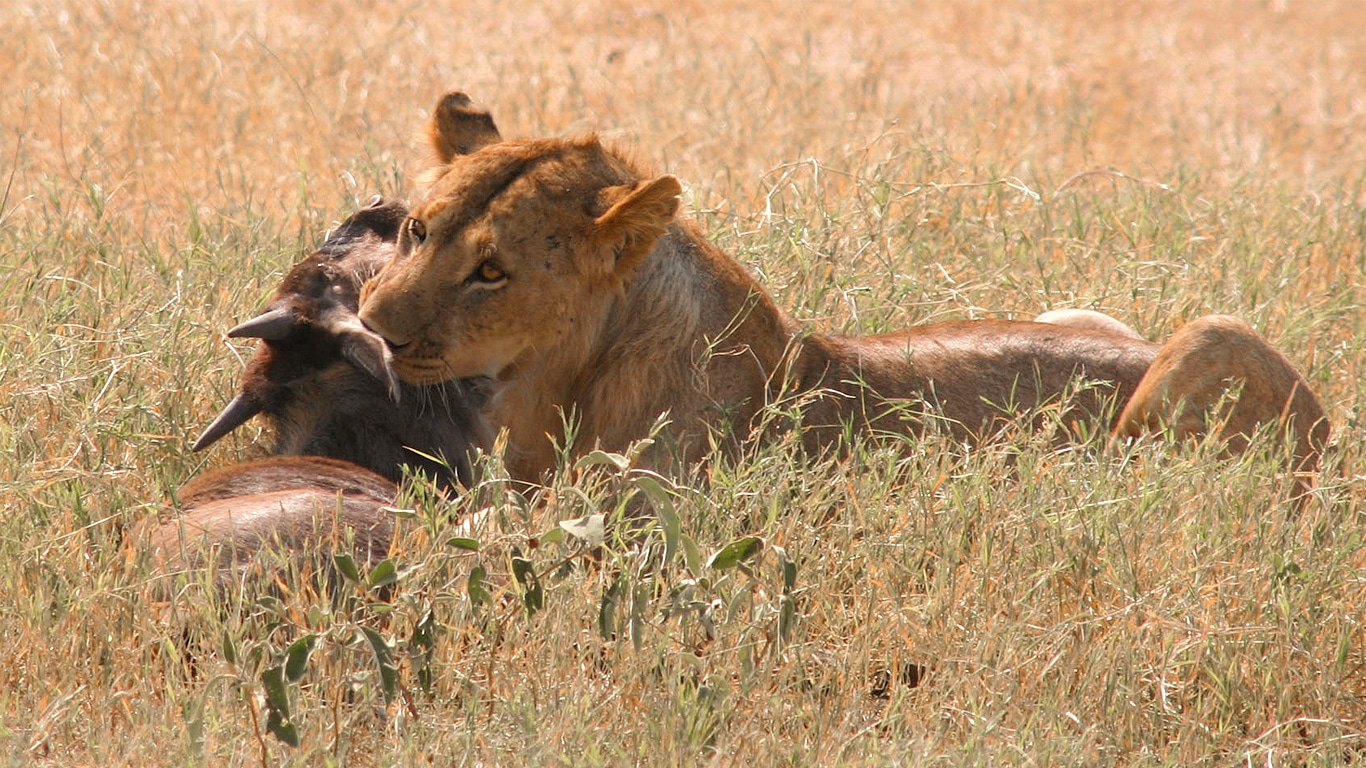
The Ngorongoro Crater packs an extraordinary density of wildlife into one caldera, making it ideal for…
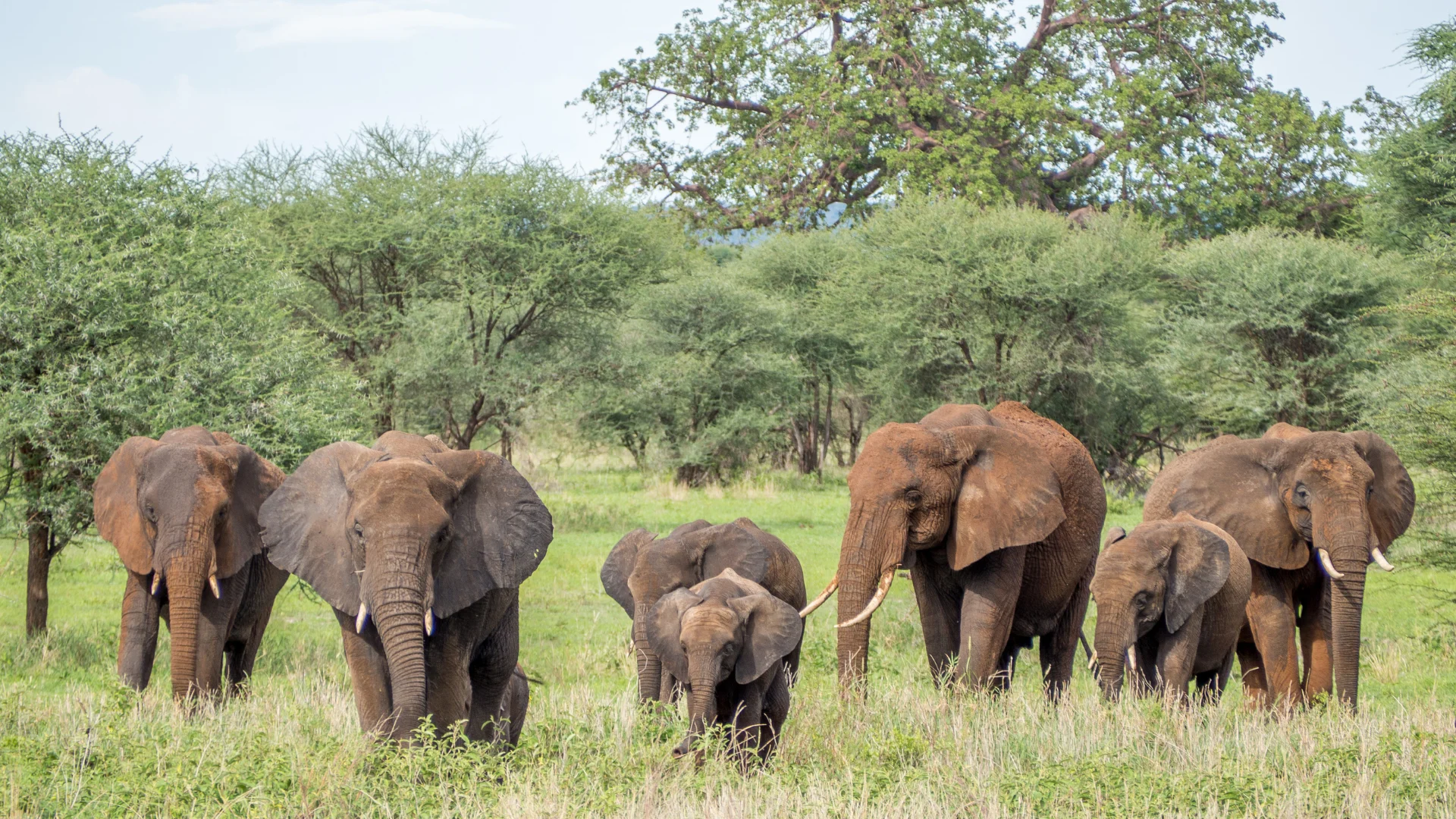
A compact taste of the northern circuit’s two headline parks. You fly from Zanzibar to Arusha,…
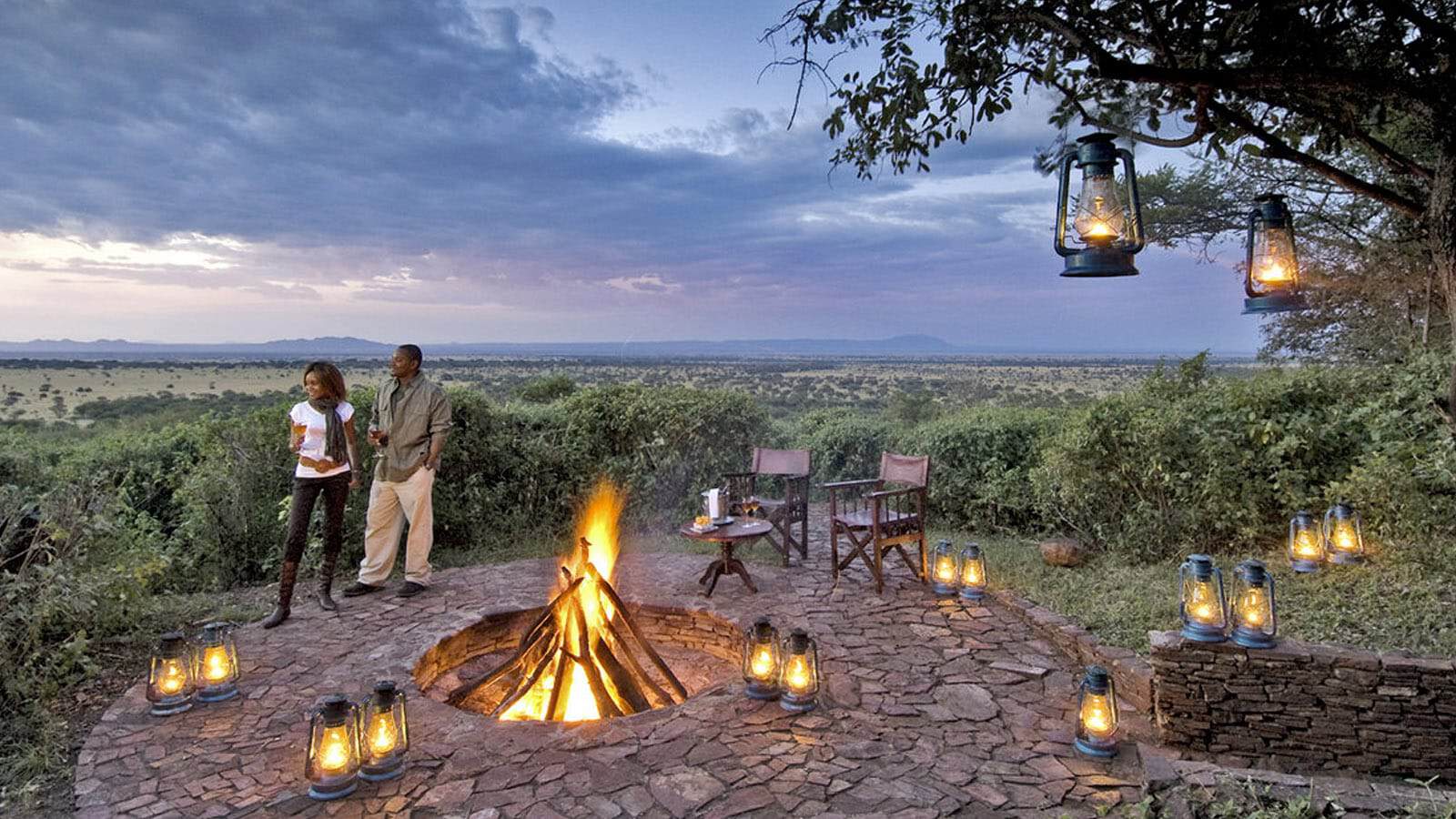
Four days pairing the classic parks with the raw scenery of Lake Natron. You fly from…

Contact us now — we are always here to help with honest, expert advice at no cost.
Tell us about your dream trip and our Tanzania safari specialists will get back to you within 24 hours with a personalised itinerary and no-obligation quote.
A short planning brief gives our team enough context to suggest the right parks, route, pace and accommodation level.