What kind of plug adaptors do I need for Tanzania? What are the best lenses for capturing breathtaking wildlife shots? As you prepare for your photographic safari in Tanzania, you might have plenty of questions. That’s why we’ve put together this essential guide, complete with a camera bag checklist and expert tips to help you get the most out of your adventure.
From the vast Serengeti plains teeming with the Big Five to the stunning Ngorongoro Crater and the picturesque landscapes of Tarangire and Lake Manyara, Tanzania offers some of the best safari photography opportunities in the world. At iArtist Adventure, we specialize in crafting unforgettable safari experiences, ensuring that photographers—whether beginners or professionals—capture Tanzania’s raw beauty through their lenses.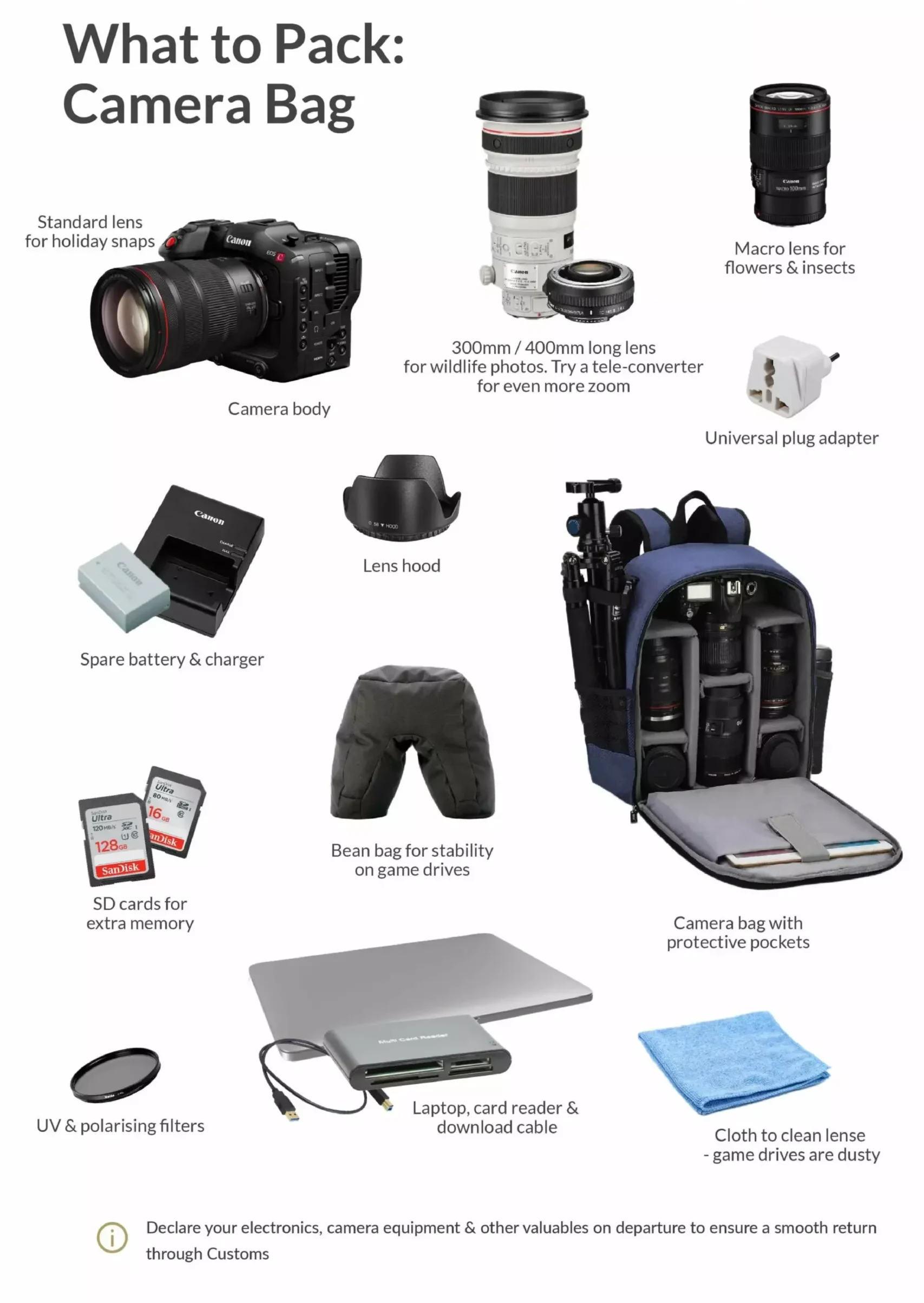
Essential Camera Gear for a Tanzanian Safari
Packing the right camera equipment is crucial for making the most of your safari. Here’s a checklist to help you prepare:
✅ DSLR or Mirrorless Camera: A high-quality camera with interchangeable lenses is ideal for wildlife photography.
✅ Telephoto Lens (200mm-600mm): A must-have for capturing distant wildlife, ensuring detailed shots of lions, elephants, and elusive leopards.
✅ Wide-Angle Lens (16mm-35mm): Perfect for sweeping landscape shots of the Serengeti’s endless plains or the dramatic Ngorongoro Crater.
✅ Spare Batteries & Memory Cards: Safari days are long, and you don’t want to miss a perfect shot due to a dead battery or full memory card.
✅ Tripod or Bean Bag: A tripod stabilizes your camera for sunrise or sunset shots, while a bean bag is handy for steadying your camera in a safari vehicle.
✅ Rain Cover & Lens Cleaning Kit: Dust and occasional rain showers are common, especially in Tarangire during the wet season.
✅ Polarizing & UV Filters: These help reduce glare and enhance colors in your photos, especially when shooting in bright daylight.
Top Tips for Capturing the Best Safari Shots in Tanzania
📍 Golden Hour Magic: The best light for photography is during sunrise and sunset when the golden hues create dramatic and stunning visuals.
📍 Be Patient: Wildlife photography requires patience. A lion might lounge for hours before giving you that perfect yawn or hunting sequence.
📍 Respect Wildlife: Keeping a safe distance ensures both your safety and the animals’ well-being. A zoom lens is your best friend here!
📍 Capture Cultural Moments: Beyond wildlife, Tanzania’s cultural richness is incredible. From Maasai warriors to Hadzabe hunter-gatherers, take time to photograph Tanzania’s vibrant communities.
📍 Take Advantage of Expert Guides: At iArtist Adventure, our expert guides understand animal behavior and positioning, helping you anticipate the best shots.
Additional Packing Tips for a Hassle-Free Safari
✔ Power Adaptors: Tanzania uses Type D & G plugs. A universal adaptor will keep your gear charged.
✔ Neutral-Colored Clothing: Avoid bright colors that may startle wildlife. Opt for khaki, beige, or olive green.
✔ Sun Protection: Sunglasses, a hat, and sunscreen are must-haves for long days in the African sun.
✔ Insect Repellent: Protect yourself from mosquitoes, especially in the evenings.
✔ Lightweight Backpack: Keep your camera gear organized and easily accessible.
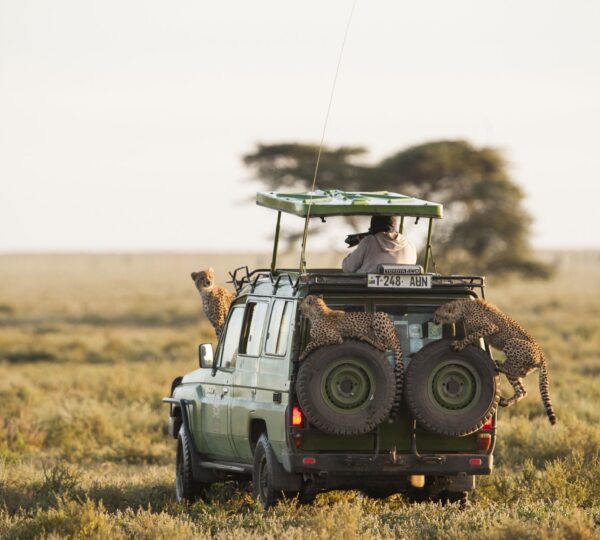
At iArtist Adventure, we tailor safari experiences to help photographers capture Tanzania’s iconic landscapes, diverse wildlife, and cultural richness. Whether you’re dreaming of photographing the Great Migration in the Serengeti, a leopard draped across an acacia tree in Tarangire, or the pink hues of flamingos on Lake Manyara, we make it happen.
Ready to embark on your ultimate photographic safari? Let’s plan your next adventure with iArtist Adventure!
Lenses, bodies, and accessories worth packing for a Tanzania photography safari, for both beginners and serious enthusiasts. This guide focuses on the decisions a traveler must make before requesting or accepting a quotation.
Quick facts
| Primary topic | Camera Gear Bring on African Safari |
|---|---|
| Best planning input | Travel month, available nights and preferred pace |
| Confirm before booking | Exact route, named accommodation, transport and current rules |
Start with the route and available time
Travel style affects vehicle use, lodge choice and daily pace. A private safari provides flexibility, while a group departure shares costs and follows a common schedule.
What changes by season or location
Families, couples, solo travelers, photographers and multigenerational groups need different room arrangements and drive lengths. These needs belong in the first quotation request.
How to compare your options
Labels such as luxury or family-friendly require detail. Ask for the named property, actual room type, guide arrangement and inclusions.
Questions to put in the quotation
Ask I Artist Adventure to identify the exact locations, number of nights, transfer legs and inclusions relevant to camera gear bring on african safari. Record any important requirement before accommodation or permits are confirmed.
Common planning mistakes
Avoid treating camera gear bring on african safari as a guaranteed event or a label that means the same thing in every itinerary. Check current conditions, allow realistic transfer time and keep expectations tied to the written plan.
Who this trip suits
This subject is most useful for travelers who want camera gear bring on african safari to influence the route rather than appear as a brief add-on. It can be adapted for private departures, couples, families or solo travelers where the relevant rules allow.
Four I Artist Adventure trips to compare
- 2-Day Tarangire & Ngorongoro Safari
- 3-Day Serengeti & Ngorongoro Safari
- 5-Day Tanzania Northern Circuit
- 7-Day Tanzania Northern Circuit
Frequently asked questions
How early should I plan camera gear bring on african safari?
Start once your dates are reasonably firm. Permit, flight and lodge availability may determine the route.
Can a wildlife sighting or weather condition be guaranteed?
No. Seasonal information supports planning, but actual conditions remain variable.
What should a quotation show?
It should identify the route, nights, transport, guide, accommodation, major fees, meals and exclusions.
Can this be combined with another Tanzania experience?
Often yes, provided the transfer time and available nights make the combination sensible.