Introduction
The Serengeti Wildebeest Migration is one of the most awe-inspiring natural spectacles on Earth. Every year, over a million wildebeests, along with hundreds of thousands of zebras and gazelles, embark on a journey across the Serengeti ecosystem in search of greener pastures. This epic migration is driven by the instinctive need for survival and the pursuit of better grazing opportunities. In this article, we will explore the intricate workings of the Serengeti Wildebeest Migration, shedding light on its patterns, challenges, and remarkable adaptations that enable these majestic animals to undertake such a remarkable feat.
How Does the Serengeti Wildebeest Migration Work?
The Serengeti Wildebeest Migration is a cyclical movement of wildebeests, zebras, and gazelles between the Serengeti National Park in Tanzania and the Maasai Mara National Reserve in Kenya. This journey spans over 1,800 miles and involves crossing treacherous rivers, evading predators, and enduring harsh weather conditions. Let’s delve deeper into the mechanics of this fascinating migration:
The Great Migration Circuit
The migration follows a distinct circuit that encompasses different regions of the Serengeti ecosystem throughout the year. It can be divided into three main phases:
Phase 1: Calving Season in the Southern Serengeti
The journey begins in the southern Serengeti, around February. This is the calving season, where wildebeest mothers give birth to their young in vast open plains. The abundance of fresh, nutrient-rich grasses provides ideal conditions for newborns to thrive.
Phase 2: The Long Trek to the Western Serengeti
As the dry season approaches, usually in May, the wildebeests start their arduous journey towards the western Serengeti. This leg of the migration is marked by the need for water and better grazing opportunities. The herds from massive columns, stretching as far as the eye can see, as they navigate through the grasslands and woodlands of the Serengeti.
Phase 3: Crossing the Mara River into the Maasai Mara
By July, the herds reach the Mara River, the final obstacle in their quest for greener pastures. The river is filled with lurking crocodiles, hungry for an easy meal. The wildebeests display remarkable coordination and bravery as they gather at the riverbanks, preparing for the treacherous crossing. They surge forward, creating a breathtaking spectacle of wildebeests swimming and leaping into the river, while predators eagerly wait for an opportunity to strike.
FAQs about the Serengeti Wildebeest Migration
What triggers the Serengeti Wildebeest Migration?
The Serengeti Wildebeest Migration is primarily driven by the availability of food and water. As the seasons change and the grasslands dry up, the wildebeests instinctively move to regions with better grazing opportunities. This cyclical pattern ensures their survival and the continuity of the species.
Are there risks involved in the migration?
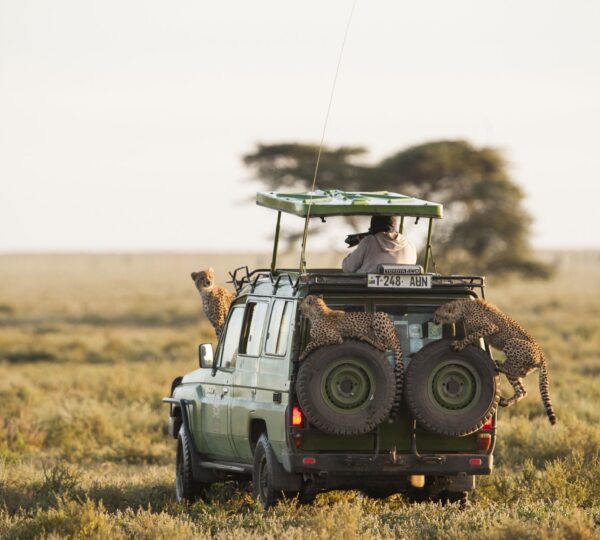
Yes, the migration poses several risks to the wildebeests. Crossing the Mara River is particularly perilous, as crocodiles lie in wait. Additionally, predators such as lions, hyenas, and cheetahs take advantage of the abundance of prey, leading to numerous confrontations and losses within the wildebeest herds.
How do the wildebeests navigate their way during the migration?
Wildebeests possess an extraordinary ability to sense changes in weather patterns, as well as an innate sense of direction. They rely on their acute senses and memory to navigate through the Serengeti ecosystem. Moreover, they follow the footsteps and movements of the herd, ensuring a collective effort in finding the best routes to reach their destination.
How long does the Serengeti Wildebeest Migration last?
Migration is a continuous cycle that lasts throughout the year. The wildebeests spend different periods in various regions of the Serengeti, depending on the availability of resources. The entire migration circuit, from the calving season in the south to the crossing of the Mara River, can span several months.
Do the wildebeests return to the same locations every year?
While the wildebeests follow a general migration pattern, the exact routes and timing may vary from year to year. The availability of food and water sources, as well as environmental factors, influence their movements. Nonetheless, they generally return to specific regions during each phase of the migration.
How do the wildebeests adapt to the challenges they face during the migration?
Wildebeests have evolved various adaptations to survive the challenges of migration. Their endurance, agility, and ability to withstand long periods without water are remarkable. Additionally, their synchronized breeding ensures a higher chance of survival for the species, as predators are overwhelmed by the sheer number of young wildebeests during the calving season.
Conclusion
The Serengeti Wildebeest Migration is a remarkable natural phenomenon that showcases the resilience and adaptability of wildlife. It is a testament to the intricate balance of nature and the extraordinary survival instincts ingrained in these majestic creatures. The annual journey of the wildebeests, zebras, and gazelles across the Serengeti ecosystem is a spectacle that captures the imagination of all who witness it. As we marvel at this awe-inspiring event, let us remember the importance of preserving these habitats and protecting the delicate ecosystems that sustain such extraordinary migrations.
Over two million wildebeest, one well-planned annual journey. Here's how the Great Migration works and where it is at any time of year. This guide focuses on the decisions a traveler must make before requesting or accepting a quotation.
Quick facts
| Primary topic | Great Migration Route, Timing, Drives It |
|---|---|
| Best planning input | Travel month, available nights and preferred pace |
| Confirm before booking | Exact route, named accommodation, transport and current rules |
Start with the route and available time
Wildlife is free-moving and cannot be scheduled. Seasonal patterns help place a camp, but no responsible operator can guarantee a crossing, hunt or close sighting.
What changes by season or location
Repeated drives in suitable habitat are usually more valuable than a rushed checklist of parks. A trained guide interprets tracks, behavior and changing conditions.
How to compare your options
Visitors should respect park rules, viewing distance and other vehicles. A photograph never justifies disturbing an animal or leaving an approved road.
Questions to put in the quotation
Ask I Artist Adventure to identify the exact locations, number of nights, transfer legs and inclusions relevant to great migration route, timing, drives it. Record any important requirement before accommodation or permits are confirmed.
Common planning mistakes
Avoid treating great migration route, timing, drives it as a guaranteed event or a label that means the same thing in every itinerary. Check current conditions, allow realistic transfer time and keep expectations tied to the written plan.
Who this trip suits
This subject is most useful for travelers who want great migration route, timing, drives it to influence the route rather than appear as a brief add-on. It can be adapted for private departures, couples, families or solo travelers where the relevant rules allow.
Four I Artist Adventure trips to compare
- 2-Day Tarangire & Ngorongoro Safari
- 3-Day Serengeti & Ngorongoro Safari
- 5-Day Tanzania Northern Circuit
- 7-Day Tanzania Northern Circuit
Frequently asked questions
How early should I plan great migration route, timing, drives it?
Start once your dates are reasonably firm. Permit, flight and lodge availability may determine the route.
Can a wildlife sighting or weather condition be guaranteed?
No. Seasonal information supports planning, but actual conditions remain variable.
What should a quotation show?
It should identify the route, nights, transport, guide, accommodation, major fees, meals and exclusions.
Can this be combined with another Tanzania experience?
Often yes, provided the transfer time and available nights make the combination sensible.