‘Ultimately, conservation is about people. If you don’t have sustainable development around these parks, then people will have no interest in them, and the parks will not survive.’ – Nelson Mandela
Tanzania is home to some of Africa’s most breathtaking landscapes, from the vast Serengeti plains to the towering peak of Mount Kilimanjaro. At I Artist Adventure, we believe in offering exceptional safari experiences while contributing to conservation and uplifting local communities. Many safari lodges and camps across Tanzania have dedicated initiatives to preserve the country’s rich biodiversity and support the people who call these areas home. A portion of your travel budget directly supports these efforts, ensuring that future generations can continue to experience the magic of Tanzania’s wilderness.
Here are some of the top conservation and community projects supported by lodges in Tanzania:
1. Ngorongoro Conservation Area’s Water Access Initiative
One of the biggest challenges facing communities around the Ngorongoro Conservation Area is access to clean water. Local Maasai women and children often walk long distances to fetch water, a physically exhausting and time-consuming task. Several lodges near Ngorongoro, in partnership with conservation groups, have developed sustainable water distribution systems, including boreholes and solar-powered water pumps. These efforts provide clean water to nearby villages, reducing hardship and improving health conditions.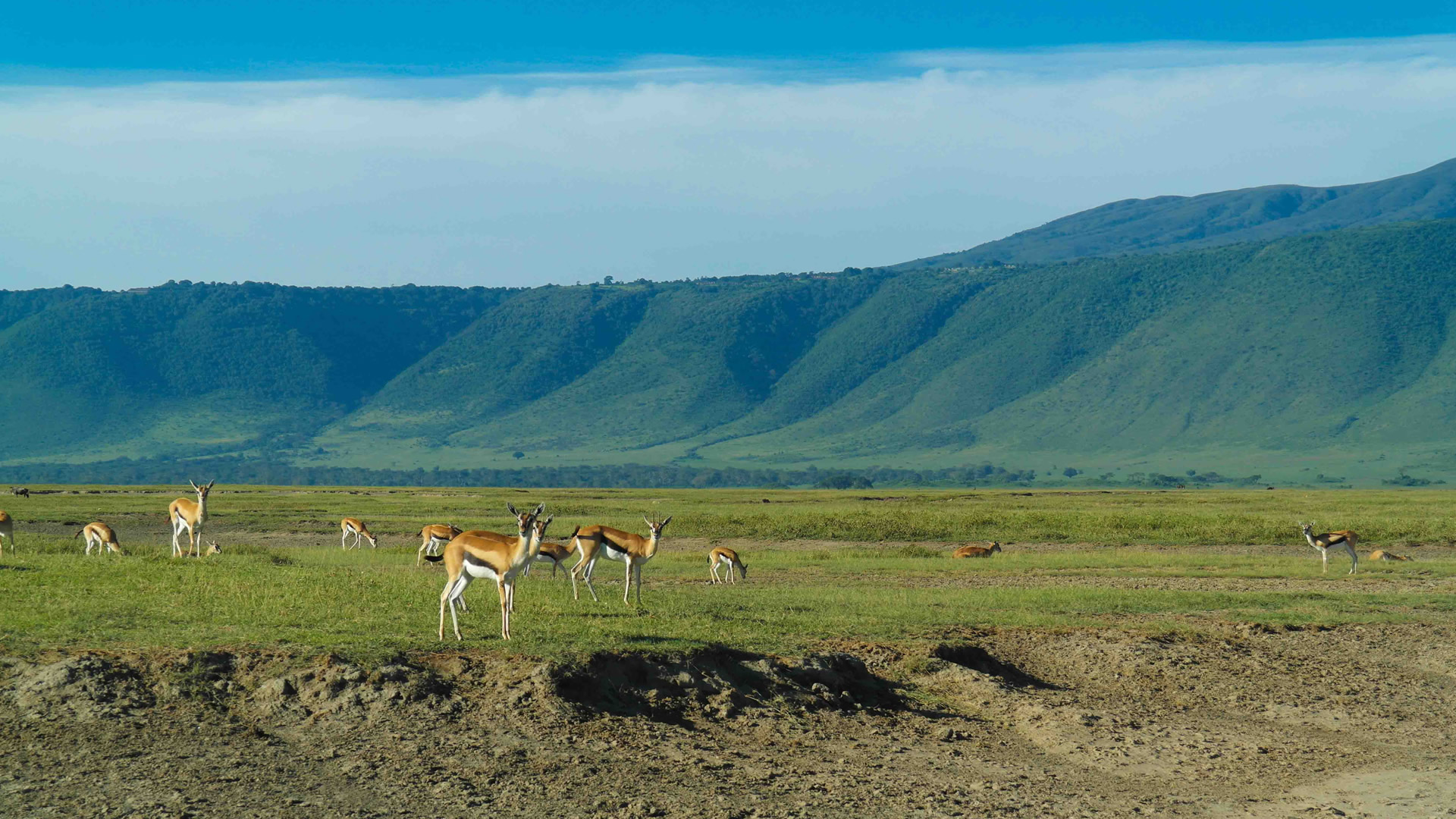
Where to Stay:
- Ngorongoro Crater Lodge – Overlooks the breathtaking Ngorongoro Crater, offering luxurious accommodations while actively participating in water access and conservation initiatives.
- The Highlands Camp – A unique dome-style camp that blends Maasai culture with modern sustainability efforts.
2. Serengeti Anti-Poaching Patrols
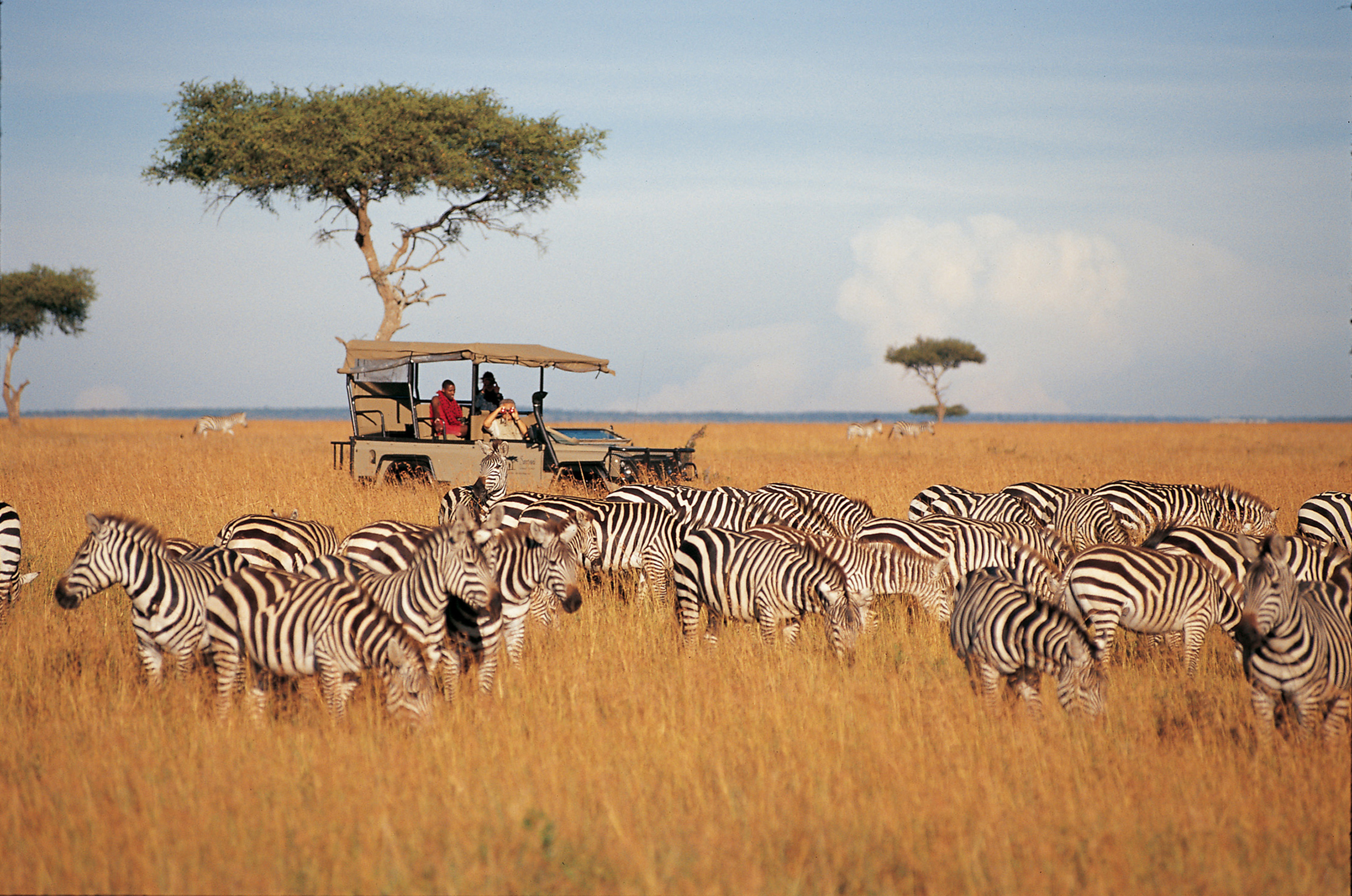
The Serengeti is one of the world’s most iconic wildlife destinations, home to the Great Migration and countless species of predators and herbivores. However, the region also faces challenges such as poaching and habitat destruction. Several safari lodges in the Serengeti contribute to anti-poaching patrols, equipping rangers with resources and training to protect Tanzania’s endangered wildlife.
Where to Stay:
- Singita Grumeti Lodge – Funds and operates anti-poaching teams, ensuring the safety of elephants, rhinos, and other wildlife.
- Serengeti Migration Camp – Supports community outreach programs that educate locals on the importance of conservation.
3. Community-Run Coffee Farms in Arusha
Arusha, the gateway to Tanzania’s safari circuit, is also known for its rich coffee-growing culture. Many lodges in this region source their coffee beans from local cooperatives run by small-scale farmers. These initiatives empower farmers by providing fair wages and training on sustainable agriculture practices.
Where to Stay:
- Arusha Coffee Lodge – Located on a working coffee plantation, this lodge offers immersive experiences where guests can learn about coffee production while supporting local farmers.
- Rivertrees Country Inn – Provides employment opportunities for nearby communities and invests in educational projects for local schools.
4. Zanzibar’s Marine Conservation & Beach Clean-Up Efforts
Zanzibar’s white sandy beaches and crystal-clear waters are a paradise for travelers, but they also require ongoing conservation efforts. Several eco-friendly beach lodges on the island have taken active roles in marine conservation by organizing beach clean-ups, coral reef restoration projects, and sustainable fishing education programs for local fishermen.
Where to Stay:
- Zuri Zanzibar – A luxury eco-lodge that implements solar energy and water conservation systems while engaging guests in environmental activities.
- Mnemba Island Lodge – Supports a turtle conservation project and works closely with local fishermen to promote sustainable practices.
5. Tarangire National Park’s Women Empowerment Projects
Tarangire National Park is famous for its large elephant herds and baobab-dotted landscapes. Some safari lodges in this region are deeply involved in women empowerment programs, providing vocational training, micro-loans, and employment opportunities to women in nearby villages. These programs allow women to start their own businesses and achieve financial independence.
Where to Stay:
- Tarangire Treetops – Offers community-led cultural experiences and supports local women’s cooperatives.
- Oliver’s Camp – Works with local Maasai women to create handmade crafts sold at the lodge, providing an additional income source for families.
6. Mount Kilimanjaro’s Reforestation Programs
Deforestation around Mount Kilimanjaro has led to environmental challenges, including reduced water availability and increased soil erosion. Several eco-lodges and climbing operators have partnered with reforestation initiatives to plant indigenous trees and restore the mountain’s ecosystem.
Where to Stay:
- Kilimanjaro Eco Lodge – Works with local schools to plant trees and educate children about environmental conservation.
- Aishi Machame Hotel – Runs a tree-planting program where guests can contribute to Kilimanjaro’s reforestation efforts.
Experience Tanzania Responsibly with I Artist Adventure
At I Artist Adventure, we are committed to providing transformative safari experiences that not only showcase Tanzania’s breathtaking landscapes and wildlife but also contribute to the preservation of its natural and cultural heritage. By choosing to travel with us, you are directly supporting sustainable tourism and community-driven conservation efforts.
Let us help you craft the perfect adventure, knowing that your journey will leave a positive impact on the people and places you visit. Book your safari with I Artist Adventure today and be a part of Tanzania’s conservation story!
Park fees and tourism dollars fund more conservation than most travelers realize. Here's how your safari trip supports wildlife protection. This guide focuses on the decisions a traveler must make before requesting or accepting a quotation.
Quick facts
| Primary topic | Safari Tourism Supports Conservation in Tanzania |
|---|---|
| Best planning input | Travel month, available nights and preferred pace |
| Confirm before booking | Exact route, named accommodation, transport and current rules |
Start with the route and available time
Cultural tourism should be hosted respectfully, explained accurately and connected to transparent local benefit. Communities are partners, not staged attractions.
What changes by season or location
Travelers should ask who runs an activity, how payments are distributed and what conduct or photography rules apply. Specific answers are more useful than claims of authenticity.
How to compare your options
Conservation claims also need evidence. Park fees, employment, procurement, water, waste and wildlife practices should be described without presenting tourism as impact-free.
Questions to put in the quotation
Ask I Artist Adventure to identify the exact locations, number of nights, transfer legs and inclusions relevant to safari tourism supports conservation in tanzania. Record any important requirement before accommodation or permits are confirmed.
Common planning mistakes
Avoid treating safari tourism supports conservation in tanzania as a guaranteed event or a label that means the same thing in every itinerary. Check current conditions, allow realistic transfer time and keep expectations tied to the written plan.
Who this trip suits
This subject is most useful for travelers who want safari tourism supports conservation in tanzania to influence the route rather than appear as a brief add-on. It can be adapted for private departures, couples, families or solo travelers where the relevant rules allow.
Four I Artist Adventure trips to compare
- 2-Day Tarangire & Ngorongoro Safari
- 3-Day Serengeti & Ngorongoro Safari
- 5-Day Tanzania Northern Circuit
- 7-Day Tanzania Northern Circuit
Frequently asked questions
How early should I plan safari tourism supports conservation in tanzania?
Start once your dates are reasonably firm. Permit, flight and lodge availability may determine the route.
Can a wildlife sighting or weather condition be guaranteed?
No. Seasonal information supports planning, but actual conditions remain variable.
What should a quotation show?
It should identify the route, nights, transport, guide, accommodation, major fees, meals and exclusions.
Can this be combined with another Tanzania experience?
Often yes, provided the transfer time and available nights make the combination sensible.